
Get the Hot Water You Need Without the Guesswork
Running out of hot water in the middle of a shower is annoying. Waiting forever for the water to heat up when you are already late is stressful. A surprise water heater breakdown right before guests arrive or on a school morning can throw off the whole day. Hot water should be simple and dependable, not a daily worry.
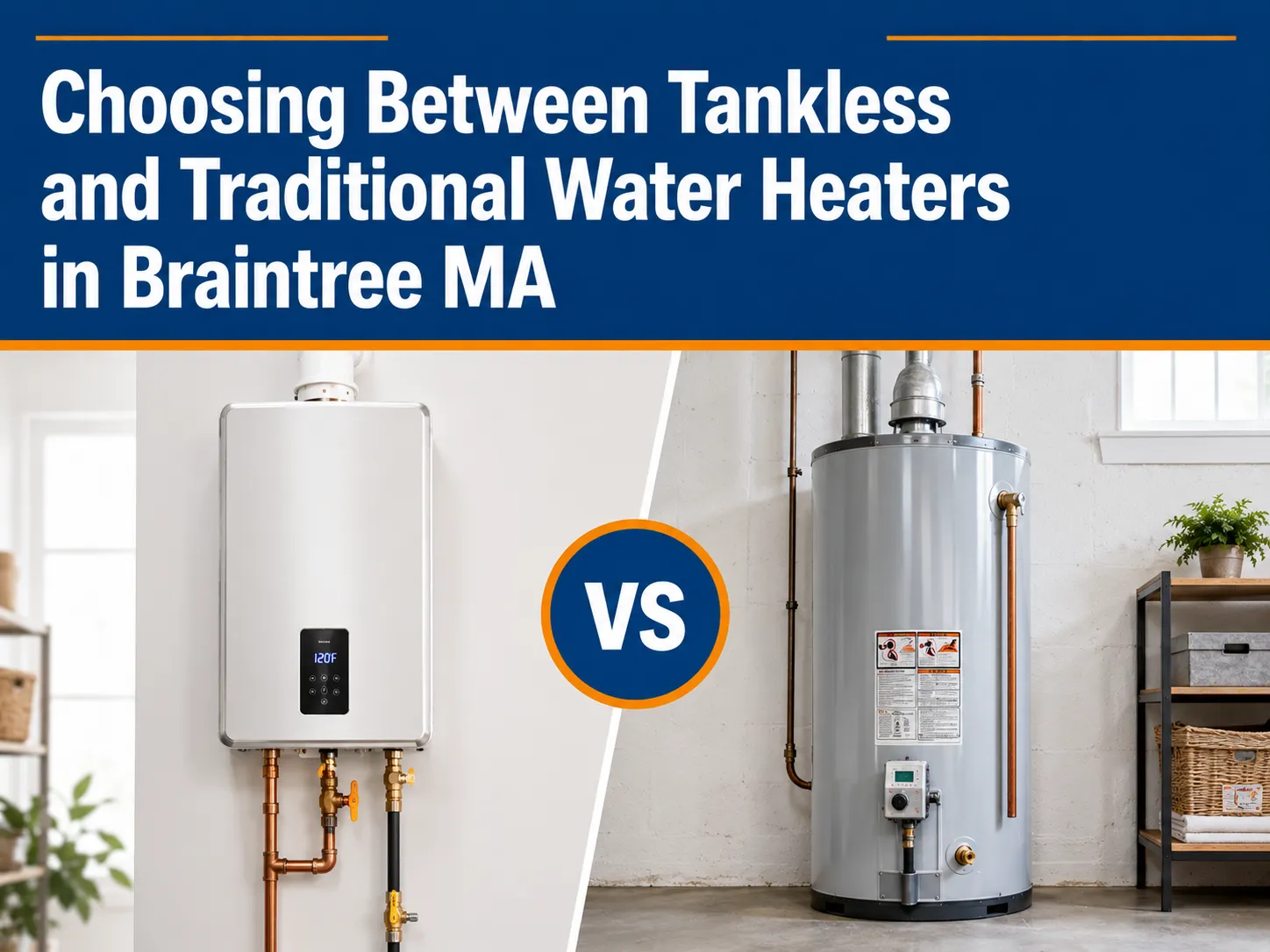
A big part of that comfort comes from one key choice: should your home use a traditional tank-style water heater or a tankless unit? Each one heats water in a different way, and each fits certain homes and lifestyles better than others. When it is time for water heater installation, picking the right style can make your days smoother and your bills easier to handle.
We work with South Shore homeowners all the time who are weighing these options. Early spring is a smart time to think about an upgrade, before summer guests, beach trips, and extra laundry start to push an older heater too hard. Let’s look at how each type actually works in real life so you can feel confident in your decision.
How Traditional Water Heaters Work in Real Life
A traditional water heater uses a large storage tank, usually around 40 to 80 gallons, that keeps a set amount of water hot and ready to go. When someone turns on a hot tap, the hot water in the tank flows out, and cold water flows in to replace it. A gas burner or electric element heats that new water and brings the tank back up to temperature.
There are some clear upsides to this setup:
- Lower upfront cost compared to tankless units
- Simpler water heater installation in most homes
- Replacement parts are commonly available
- Many South Shore homes are already set up for this style
Since most older New England houses were built around tank-style heaters, many basements, gas lines, and electrical systems are already laid out for them. That can make swapping an older tank for a new one fairly straightforward.
Still, there are some tradeoffs to keep in mind:
- Limited hot water supply; you can run out with back-to-back showers
- Standby heat loss; the tank loses some heat as it sits, even when no one is using hot water
- Typical lifespan of about 8 to 12 years before replacement is often needed
If several people shower in a row, or you run the dishwasher and laundry at the same time, you may hit the limit of the tank and feel that blast of cold water. Over time, tanks can also rust from the inside, and small leaks can begin around the base or at fittings.
Signs that it might be time to plan a new water heater installation include:
- Rusty or discolored hot water
- Popping or rumbling sounds from the tank
- Moisture or puddles around the base
- A unit that is already many years old and struggling
Dealing with this before the tank fails can help avoid a messy basement flood and unexpected damage.
What Tankless Water Heaters Really Offer Homeowners
Tankless, or on-demand, water heaters work very differently. Instead of holding hot water in a tank, they heat water only when you turn on a hot tap. Cold water flows through the unit, passes over a powerful heat source, and comes out hot on the other side.
Some main benefits of tankless systems are:
- Hot water on demand, without waiting for a tank to refill
- No large tank sitting in the basement, helpful in tight spaces
- Often longer lifespans than many tank-style heaters
- No standby heat loss from a full tank sitting all day
Since the unit is usually mounted on a wall, it can free up floor space in small basements or utility rooms. For many homeowners, the big draw is steady hot water. With the right size tankless unit, back-to-back showers or long soaks in a big tub are less likely to leave someone shivering.
There are some limits to think about:
- Higher upfront cost for equipment and installation
- The unit must be sized properly for your home’s peak demand
- Older homes might need changes to gas lines, venting, or electrical systems
Lifestyle matters a lot here. Tankless can be a strong fit if you:
- Have a busy family with staggered shower times
- Host guests often
- Own a soaking tub or high-flow shower
- Want to save space in a tight mechanical room
On the other hand, a small household that uses modest amounts of hot water may not need a large tankless unit to feel the benefits.
Cost, Efficiency, and Comfort Compared Side by Side
Choosing a water heater is not only about how it heats water; it is also about how it fits your budget and comfort over time. A traditional tank usually costs less up front and is often easier to install in homes already set up for one. Tankless units typically cost more to install, especially if your home needs upgrades to support them.
When you think about total cost of ownership, you are really comparing:
- Lower purchase and installation cost of a traditional heater
- Potential long-term energy savings from tankless units, especially for smaller or moderate use homes
- How often you run out of hot water, and what that frustration is worth to fix
Tankless systems often have higher efficiency ratings. Since they do not keep a full tank hot around the clock, they avoid the steady energy use that comes with standby heat loss. Modern traditional tanks have improved, but they still lose some heat as they sit.
Comfort is just as important as efficiency. Ask yourself:
- How many people live in the home?
- How many bathrooms do you have?
- Do you often run multiple showers or appliances at once?
- Do you have high-demand fixtures like a large tub or rain shower?
A properly sized and professionally installed water heater, tank or tankless, should match your daily habits so you are not playing hot water roulette every morning. Safe, code-compliant venting and connections matter for both styles, and they affect how well the unit performs day after day.
Choosing the Right Water Heater for South Shore Homes
Homes around the South Shore often have quirks that affect what type of heater works best. Older New England basements can be low, damp, or crowded with ductwork and storage. Mechanical rooms may be tight, and access to outside walls for venting a tankless unit can be limited.
Local factors that matter include:
- Age and layout of your basement or utility room
- Existing gas or electric service and panel space
- Available venting paths to the outdoors
- Typical incoming water temperature in colder months
To keep things simple, you can think through a quick decision framework:
- Budget now vs long-term savings later
- How long you plan to stay in the home
- Household size and growth plans
- How often multiple showers or appliances run at once
If you plan to move in a few years, a new traditional tank might fit your needs just fine. If you hope to stay for a long time and want steady comfort plus possible energy savings, tankless may be worth a closer look.
Timing also matters. Replacing a heater on your own schedule, especially in early spring, is usually much less stressful than dealing with an emergency on a holiday weekend or during a summer heat wave. A planned water heater installation gives you time to pick the right style and size instead of rushing the choice.
When you are ready to sort through these details, a licensed, insured local plumber can look at your current system, review your hot water use, and recommend a setup that fits your home without a lot of downtime. That way, you can enjoy reliable hot water through busy mornings, visiting guests, and everything in between.
Frequently Asked Questions
What is the main difference between a tankless and traditional water heater?
A traditional water heater stores hot water in a tank and keeps it ready for use. A tankless water heater heats water only when a hot tap is turned on. The right choice depends on your home’s hot water demand, available space, budget, and how often your household uses multiple fixtures at once.
Is a traditional water heater still a good option for Braintree homes?
Yes. A traditional water heater can be a practical choice for many Braintree homes because it usually costs less upfront, is simpler to install, and often works well with existing basement, gas, or electrical setups. It may be the better option if your household has moderate hot water needs or you want a more straightforward replacement.
When does a tankless water heater make more sense?
A tankless water heater may make more sense if your household uses a lot of hot water, hosts guests often, has back-to-back showers, or needs to save space in a tight basement or utility room. It can also be worth considering if you plan to stay in the home long term and want to reduce standby heat loss.
What should South Shore homeowners consider before choosing a water heater?
South Shore homeowners should consider the age and layout of the home, available basement space, gas or electrical capacity, venting options, incoming water temperature during colder months, and daily hot water habits. These factors can affect both installation cost and long-term performance.
Why is early spring a good time to plan water heater replacement?
Early spring is a smart time to think about water heater replacement because it gives homeowners time to make a planned decision before summer guests, extra laundry, and heavier household use put more stress on an older unit. Replacing a struggling heater before it fails can also help avoid leaks, water damage, and rushed emergency decisions.
Enjoy Reliable Hot Water With Expert Local Installers
If your old unit is struggling, we can help you upgrade with professional water heater installation tailored to your home and budget. At Route 3 Plumbing and Heating, we size and install your system correctly so you get consistent hot water and better efficiency. Have questions or ready to schedule a visit? Contact us today to get started.