
Running out of hot water is annoying any time, but it feels even worse on a cold South Shore morning. One long shower or a load of laundry can leave the next person shivering under a weak, lukewarm stream. If that sounds familiar, a tankless water heater may be a smart upgrade for your home.
Tankless systems heat water only when you turn on a hot tap, so you are not limited by the size of a storage tank. This can mean more comfort, better efficiency, and extra space where a bulky tank used to sit. With the right setup, families across Braintree and the South Shore enjoy steady hot water, even when the temperatures outside are freezing.
In this article, we will walk through how tankless water heaters work, what they need to perform well in Massachusetts homes, and how to tell if one is a good match for your family. We will also explain what happens during professional installation so you know what to expect before another winter hits.
How Tankless Water Heaters Actually Work
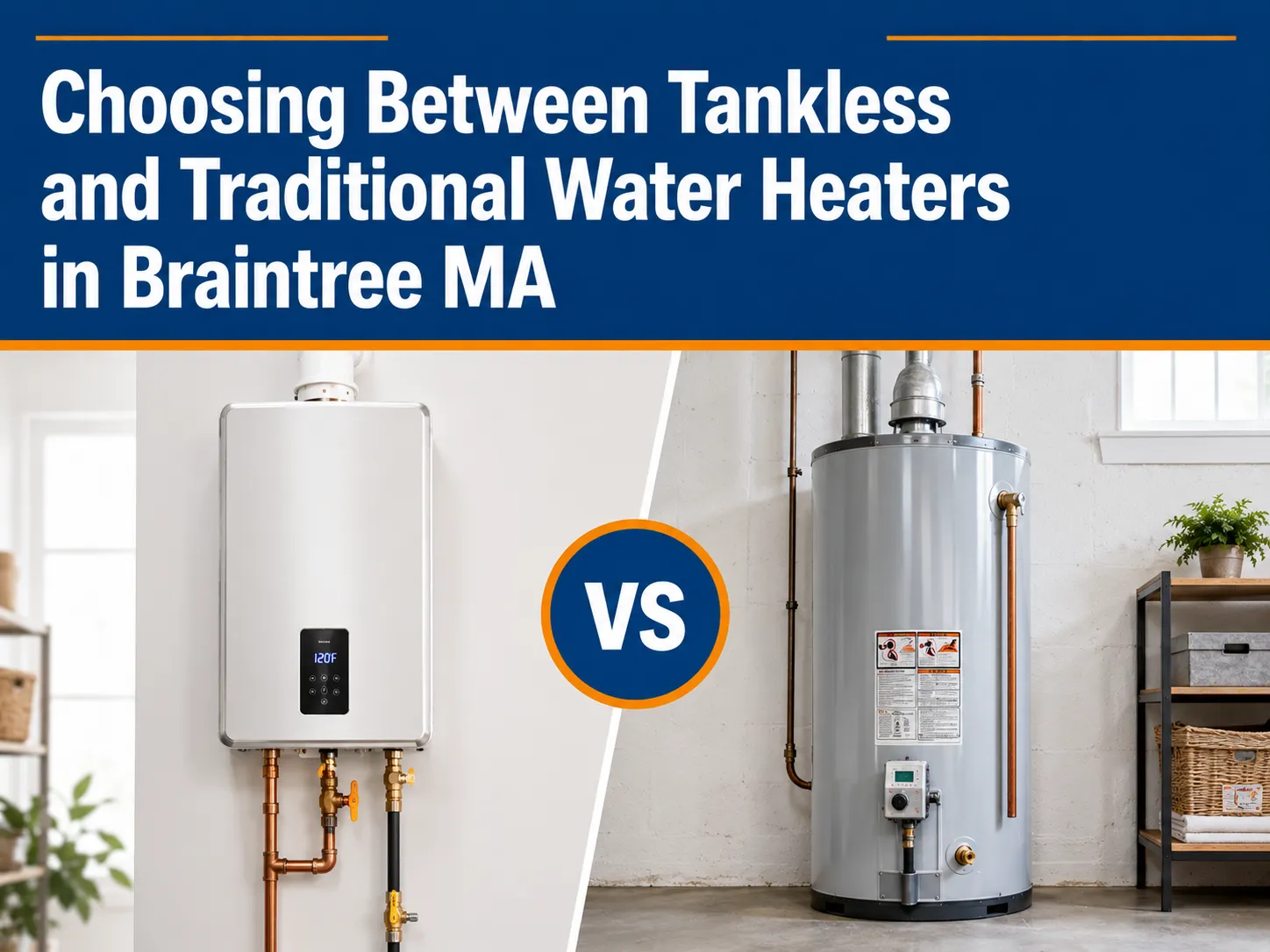
A standard tank heater stores a large amount of water and keeps it hot all day, even when you are not using it. A tankless unit works differently. Cold water flows through a heat exchanger, which turns on only when someone opens a hot water tap or an appliance calls for hot water. When the tap closes, the burner or heating element shuts off.
That simple difference leads to some clear advantages:
• Hot water on demand, within the unit’s capacity
• Less energy wasted keeping a whole tank hot
• Longer average lifespan compared to many standard tanks
• Compact, wall-mounted design that frees up floor space
There are also a few common myths. A tankless heater is not “limitless” if it is undersized. Each unit has a maximum flow rate, which is how much hot water it can provide at one time. If too many showers, faucets, and appliances run at once, you can still feel a drop in temperature.
Other important points to keep in mind:
• Tankless units need enough gas or electrical power to run correctly
• Most models require a minimum flow rate to turn on
• Sizing is based on both flow and temperature rise, not just how many people live in the home
On the South Shore, incoming water is colder in winter, so the heater must work harder to reach your desired temperature. That affects how many fixtures it can support at once. Proper sizing and setup are key. If the unit is too small or installed poorly, you may get lukewarm water, burnt-out parts, or annoying temperature swings.
Is a Tankless Water Heater Right for Your South Shore Home?
Tankless water heaters are not one-size-fits-all. The right choice depends on how your household actually uses hot water day to day. Think about:
• How many bathrooms you have
• How many showers tend to run at the same time
• Whether you often run laundry or the dishwasher with showers
• If you host guests often or have growing kids who take long showers
Homes around Braintree and other South Shore towns often have older plumbing, limited utility space, or aging venting. In those cases, a compact tankless unit can be a smart way to clear floor space and upgrade old equipment at the same time. A wall-mounted heater can open up areas in basements, utility rooms, or closets that once held a large tank.
Tankless installation makes the most sense when you are:
• Replacing a failing or leaking storage tank
• Finishing a basement or adding an in-law suite
• Updating older mechanical systems before winter
• Planning a larger renovation that already involves plumbing work
There is a tradeoff between upfront cost and long-term value. A tankless heater usually costs more to install than a basic tank, but it can use fuel more efficiently and often lasts longer when maintained. The actual payback depends on your hot water use and energy rates, so it is less about instant savings and more about comfort, space, and long-term performance.
Because tankless systems rely on correct gas line size, electrical capacity, and venting, having a licensed professional review your home is important. A proper check of gas piping, the electrical panel, and venting paths will show whether your house is a good match or if upgrades are needed first.
What Happens During Professional Tankless Installation
Many homeowners are curious what the installation day will look like. While every home is different, the overall process usually follows the same steps.
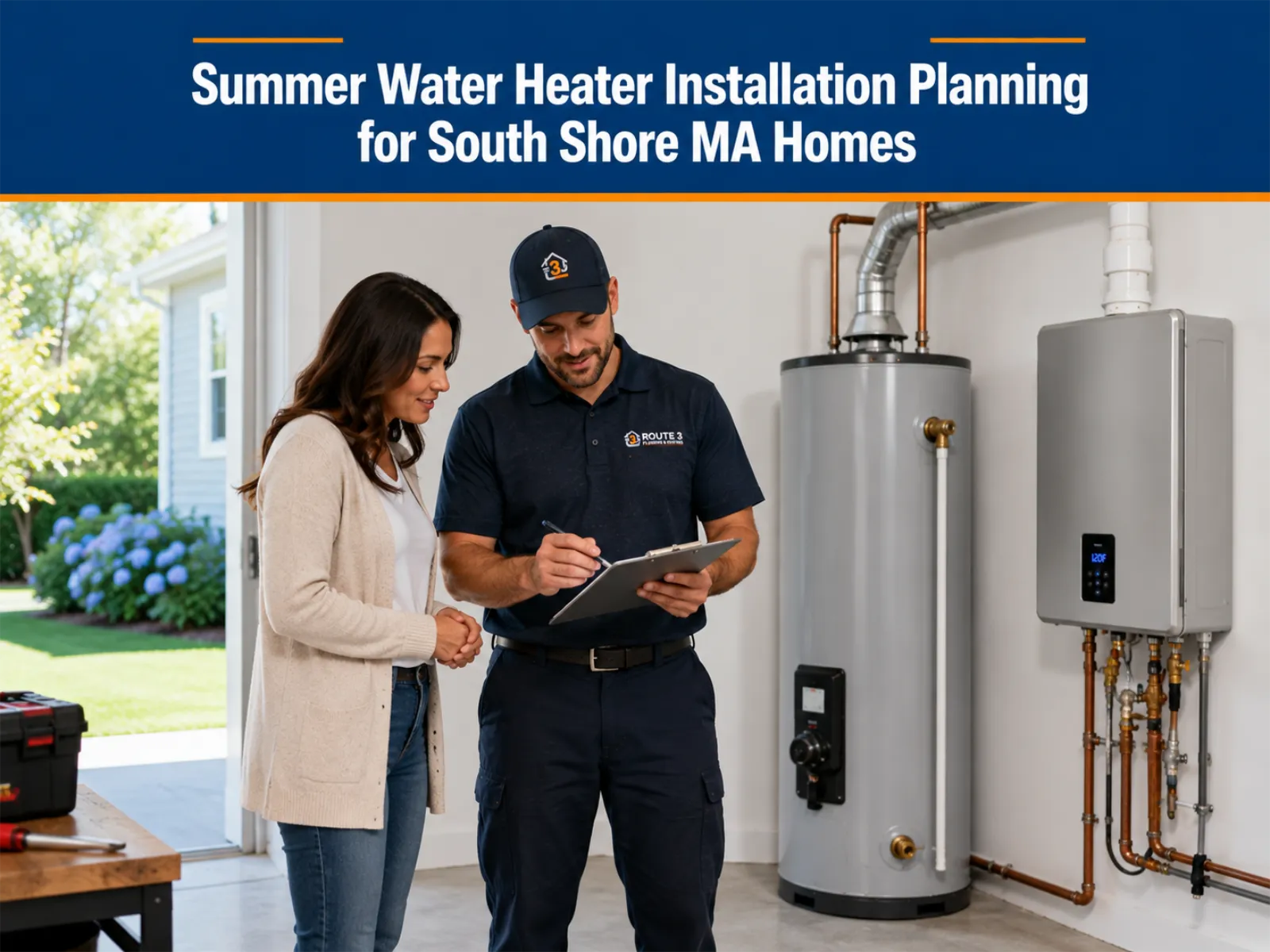
First comes an in-home assessment. The technician will:
• Look at your current water heater and utility lines
• Ask about your typical hot water habits
• Help decide between gas, propane, or electric, based on your setup
• Choose the best location for the new wall-mounted unit
Once the plan is set, the more technical work starts. The installer may need to:
• Upgrade gas lines so the heater has enough fuel supply
• Add new venting through an outside wall or roof
• Install a condensate drain line for high-efficiency units
• Tie into existing hot and cold water lines and shutoff valves
Safety and code compliance are a big part of this work. Tankless heaters must be vented correctly and set up to match Massachusetts plumbing and gas codes, plus the manufacturer’s rules. This helps protect your home, keeps your warranty in good shape, and gives you peace of mind.
At the end, the technician will test gas pressure, check for leaks, set the temperature limit, and run several fixtures to confirm proper flow. They will make sure that when January cold settles in, your hot water stays steady and comfortable. Many simple replacements can be done in a day, though older homes or more complex retrofits can take longer if venting, gas lines, or electrical service need extra work.
Seasonal Tips to Maximize Tankless Performance
Tankless heaters are built to run year-round, but a little seasonal attention helps them work better, especially through New England winter. When the air is cold, the water entering your home is colder too, so the unit has to create a bigger temperature rise. That can slightly reduce the maximum flow rate.
Some practical tips to keep things running smoothly:
• Insulate exposed hot and cold water pipes in unheated areas
• Make sure exterior vent pipes stay clear of snow and ice
• Protect condensate lines from freezing where they exit the home
• Set a safe, efficient temperature, often in a warm but not scalding range
Regular maintenance also matters. Over time, minerals in the water can build up inside the heat exchanger, and small inlet screens can collect debris. Professional service can include flushing the unit, cleaning filters, checking venting, and confirming gas or power levels. Having a local company that knows South Shore water conditions handle this work helps keep performance up and to extend the life of the equipment.
Many homeowners like to schedule maintenance during slower spring or fall periods. That way, the system is ready before peak winter demand and you are less likely to deal with a mid-season surprise when everyone wants hot showers the most.
Upgrade Your Home’s Hot Water With Expert Installation
If you are considering an efficient upgrade for your hot water, our team at Route 3 Plumbing and Heating is ready to help with professional tankless water heater installation. We will assess your home, recommend the right system, and complete the job with attention to detail and safety. Have questions or want to schedule a visit? Contact us today to get started.