

Stay Ahead of Spring Sewer Line Surprises
Spring rain can be tough on homes across the South Shore, MA. When the ground gets soaked with heavy rain and leftover snowmelt, your sewer line has to work a lot harder than usual. If that line is old, partially blocked, or already damaged, spring storms can quickly turn small problems into messy emergencies.
When a sewer line cannot handle the extra flow, wastewater has to go somewhere. That is when you start to see backups in basement drains, tubs, and even kitchen sinks. Along with the strong odors and the mess, there are real health concerns any time sewage comes into your living space. Cleaning and repairs are stressful, and restoring finished spaces can take time.
With some smart planning, many of these emergencies can be avoided. In this post, we are sharing simple, homeowner friendly tips to help you understand how spring rain affects your sewer line, what warning signs to watch for, and what steps can keep your home safer and drier.
How Spring Rainstorms Stress Your Sewer Line
When a strong spring storm hits, a lot happens underground that you cannot see. The soil around your home absorbs water from rain and melting snow. As the ground gets saturated, groundwater levels rise and put more pressure on buried pipes, including your sewer line.
Older pipes, worn joints, and loose connections are especially at risk. Under extra pressure, small flaws can open up just enough to let in soil and water. That extra water mixes with what already flows from your home, and the line can start to struggle. If the pipe already has buildup inside, it does not take much to tip it over the edge.
Tree roots are another big factor in our area. Roots are always searching for moisture, and even a tiny crack in a sewer pipe can attract them. Once roots get inside, they grow and spread, catching wipes, grease, and other debris. During spring storms, that root-filled section of pipe becomes a choke point.
You may notice:
• Drains slowing down across the house
• Toilets that gurgle when you run a sink or shower
• Sewage odors near floor drains or in the basement
• Backups that only seem to show up during or after heavy rain
Municipal systems can also get overloaded during big storms. When the main sewers in the street are near capacity, there is more pressure on your residential line. If your pipe is older or already partially blocked, that extra push from the public side can send wastewater back toward your home.
Understanding these spring stress points helps you know when it is time to bring in a professional for inspection or sewer line repair, instead of waiting for a full backup.
Early Warning Signs Your Sewer Line Is Struggling
Many sewer line emergencies start with small, annoying problems that come and go. The key is to notice the pattern, especially around rainstorms.
Common early warning signs include:
• Recurring clogs that return even after plunging
• Slow drains in more than one room, not just one sink
• Toilets that bubble, gurgle, or flush weakly
• Floor drains that smell like sewage
• Water backing up into the lowest level tub or shower
If these issues get worse just after rain, that is a red flag. A single slow bathroom sink could be a local clog. But if your basement shower backs up every time it pours outside, the main sewer line or the line to the street may be struggling to handle the extra load.
Ignoring these signs can lead to:
• Sudden sewage backups onto floors or carpets
• Damage to finished basements and stored belongings
• Exposure to harmful bacteria and foul odors
• Longer, more disruptive repairs later on
A helpful step is to keep a simple log. Note what happened, where in the house it happened, and what the weather was like. When a plumber arrives, this detail makes it much easier to tell if you are dealing with a basic drain issue or if you need sewer line repair or cleaning along the main line.
Preventive Steps Before the Spring Rains Arrive
Spring storms are a lot easier to live with when you prepare ahead of time. A few proactive steps can greatly lower your risk of a sewer emergency.
One of the best tools we use is a sewer camera inspection. A small camera is fed through the sewer line so we can clearly see:
• Root intrusion and growing root balls
• Cracks or broken sections in the pipe
• Low spots where water and waste sit and collect
• Signs of old repairs that may be failing
If your home is older or has a history of backups, preventive cleaning of the main sewer line is a smart move. Clearing roots, grease, and buildup before peak rain season gives your line more capacity and helps it handle sudden surges of water.
Above ground, water control matters too. Keeping water away from your foundation means less groundwater pressing on your buried pipes. Homeowners can:
• Clear gutters and make sure they are not clogged
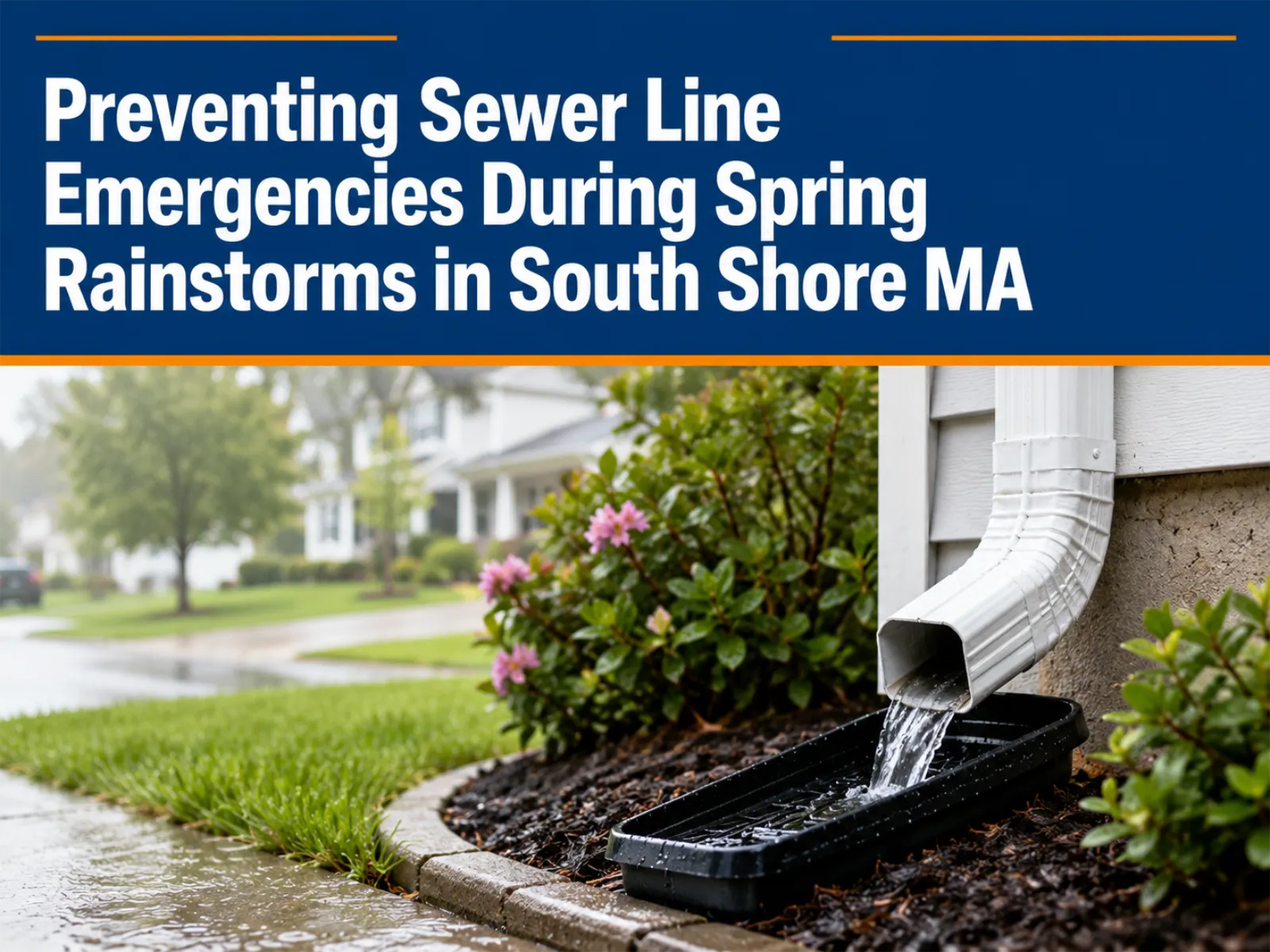
• Extend downspouts so they discharge away from the house
• Check that yard grading slopes gently away from the foundation
Depending on the home, sump pumps and backwater valves can also play a big part in keeping wastewater moving the right way. A sump pump helps manage groundwater under the house, while a backwater valve is a safeguard against sewage flowing back in during extreme conditions.
Smart Upgrades That Protect You From Emergencies
If you have ongoing issues, it may be time to think about upgrades instead of patching the same problem over and over.
A backwater valve is one of the most helpful additions for homes in areas that see heavy spring rain. It is a one-way device installed in the sewer line that lets waste leave your home but closes if anything tries to flow back toward the house. When city or neighborhood lines are overwhelmed, that valve can be the difference between a close call and sewage in your basement.
In some cases, repairs to the sewer line itself are needed. Trenchless sewer line repair methods, when appropriate, can fix or replace sections of pipe with less digging. That often means:
• Less disruption to your yard and landscaping
• Faster turnaround so your home is back to normal sooner
• A smoother interior surface that helps waste flow better
If your sewer line is made of older materials like clay, cast iron, or other aging pipe types, replacing the worst sections with modern piping can provide a long-term improvement. Newer materials handle ground movement better and are harder for roots to penetrate.
The best results usually come from combining targeted upgrades with regular maintenance. That way, your sewer system is not only repaired, it is also cared for, which brings more peace of mind every time a big spring storm shows up in the forecast.
When to Call Route 3 Plumbing and Heating
Knowing when a problem is serious enough to call a professional can be tricky, especially if the symptoms come and go with the weather. In general, it is time to bring in help right away if you notice:
• Sewage or dirty water coming up through drains or onto floors
• Strong, persistent sewer odors indoors, especially during or after rain
• Multiple backups in a short period, even after plunging
• Gurgling sounds from toilets and drains throughout the house
These signs suggest the main sewer line may be blocked, damaged, or under too much pressure for normal use. Waiting can allow more wastewater to build up and can cause additional damage to your home.
At Route 3 Plumbing and Heating, we are a licensed and insured residential plumbing and heating contractor based in Braintree, serving homeowners across the South Shore. We work with sewer line inspection, cleaning, and repair for local conditions, including the heavy spring rains our area sees year after year.
By paying attention to early warning signs, taking preventive steps before storms, and considering smart upgrades when needed, you can head into spring feeling much more confident about your sewer line. A little planning now can help keep your home cleaner, safer, and better protected when the next big rainstorm rolls through.
Frequently Asked Questions
Why are sewer line emergencies more common during spring rainstorms in Braintree and South Shore MA?
Spring rain and melting snow can saturate the ground across Braintree and the South Shore homes, increasing pressure around buried sewer lines. If a sewer pipe is older, cracked, blocked, or affected by tree roots, that extra water pressure can turn a small issue into a backup, odor problem, or full sewer emergency.
What warning signs should South Shore homeowners watch for before a sewer backup happens?
Homeowners should watch for slow drains in multiple rooms, recurring clogs, gurgling toilets, sewage odors near basement drains, and water backing up into tubs, showers, or floor drains. If these problems happen during or after heavy rain, the main sewer line may be struggling.
How can Braintree homeowners prevent sewer line problems before heavy spring rain arrives?
A sewer camera inspection is one of the best preventive steps. It can identify tree roots, cracks, buildup, low spots, and failing pipe sections before they cause an emergency. Homeowners should also clean gutters, extend downspouts away from the foundation, and make sure yard grading moves water away from the home.
Why do tree roots create sewer line problems in South Shore MA homes?
Tree roots search for moisture underground. If there is even a small crack or loose joint in a sewer line, roots can enter the pipe and grow inside it. Over time, they catch grease, wipes, and debris. During a spring storm, that narrowed section of pipe can block flow and cause wastewater to back up into the home.
What should Braintree and South Shore homeowners do if sewer warning signs appear during spring rainstorms?
Homeowners should pay close attention to patterns such as slow drains in multiple rooms, gurgling toilets, sewer odors, or backups that happen during or after heavy rain. These signs may point to a main sewer line that is blocked, damaged, or under too much pressure. Keeping a simple log of when the issue happens, where it appears, and whether it follows a storm can make it easier to understand whether the problem is a basic drain clog or a larger sewer line issue.
Protect Your Home With Fast, Reliable Sewer Line Solutions
If you are seeing signs of a sewer issue, now is the time to act before minor problems turn into costly damage. At Route 3 Plumbing and Heating, we provide expert sewer line repair tailored to your home and plumbing system. Our team will inspect, diagnose, and fix the problem with clear communication at every step. For prompt scheduling and answers to your questions, contact us today.