
A small drip never feels like a big deal at first. Maybe it is a slow drip under the kitchen sink or a tiny stain on the ceiling that seems to stop on its own. Then one night the pipe finally gives out and you wake up to a soaked basement, ruined flooring, and a huge mess. That is the kind of surprise no homeowner wants.
Many plumbing emergencies start this way, with quiet warning signs that show up hours or even days before the real trouble hits. When you know what to look for, you can act early and keep water where it belongs, inside your pipes and not all over your home. Paying attention to these clues protects your house, your budget, and your peace of mind.
Late winter around the South Shore can be a tricky time. Pipes that were stressed by freezing temps, heavy snowmelt, and hard-working heating systems are more likely to fail. At Route 3 Plumbing and Heating in Braintree, we see how fast “no big deal” can turn into “I need emergency plumbing services right now.” Our goal is to help you spot problems before they become disasters.
Hidden Warning Signs Your Plumbing Is in Trouble
Some warning signs are easy to shrug off. A slow drain or odd smell might feel like something you can live with. But small clues often point to bigger issues hiding inside your pipes and walls.
Slow drains in tubs, sinks, and showers can mean more than a bit of soap scum. When water takes longer and longer to go down, it can be a sign of:
• Build-up in the drain line
• A partial clog farther down the pipe
• Early trouble in the main sewer line
If the same drain keeps clogging again and again, even after you clear it, that is a hint that the problem is deeper in the branch line or main drain. At that point, plungers and store-bought cleaners are not really fixing anything, and they can sometimes make things worse.
Pay close attention to strange sounds too. Gurgling from drains or toilets is your system trying to tell you that air is getting trapped. That can happen when there is:
• A partial blockage in the line
• A venting issue on the roof or in the walls
• A problem developing in the sewer line
Smells and stains are another big warning. Musty odors, unexplained damp spots on floors, or stains on ceilings and walls may mean there is a hidden leak. Left alone, slow leaks can lead to mold, soft drywall, and wood damage that spreads far from the original problem.
During late winter, people tend to spend more time indoors, so you are more likely to notice these changes. If something feels off with your plumbing, it is a good time to act, not wait.
When a Leak Becomes a True Emergency
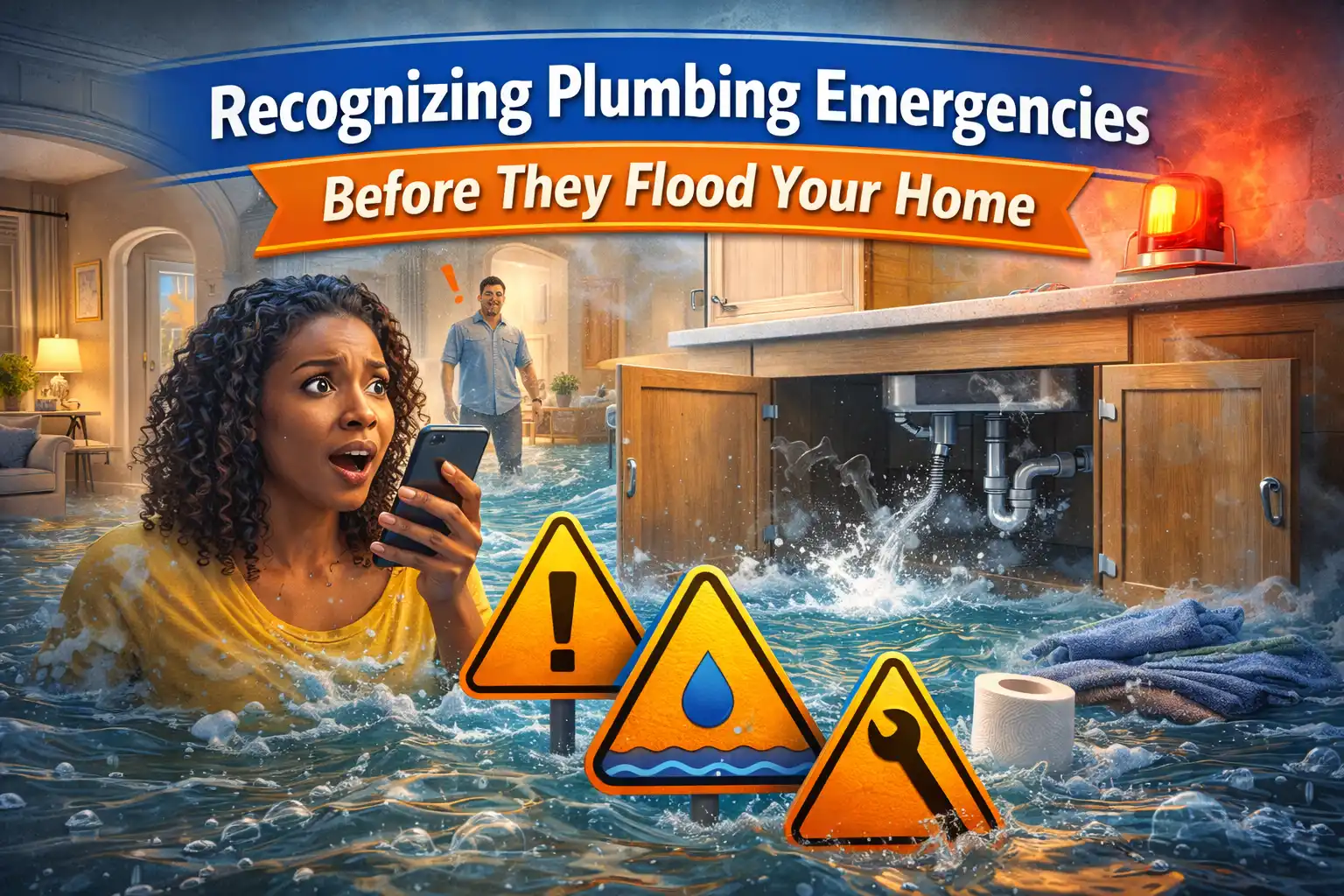
Not every drip is an emergency, but some leaks call for action right away. A leak becomes urgent when you see:
• Water spreading quickly across floors
• Active dripping from ceilings or light fixtures
• Bulging walls or ceilings that look swollen
• Water near electrical outlets or appliances
These situations are serious, because water can damage more than just surfaces. It can affect wiring, insulation, and structural parts of your home.
Even a small pipe drip can be a warning that something bigger is coming. That little leak might be caused by:
• High water pressure stressing the pipe
• Corrosion that has weakened a joint
• A pipe that froze earlier and is now cracked as it thaws
In winter and early spring around Massachusetts, this last one is very common. Pipes that froze during a cold snap may not leak right away. As they warm up, tiny cracks open and quickly turn into full breaks.
Hot water tank leaks are another issue that should not wait. A leaking tank can point to:
• Internal corrosion
• A failing pressure relief valve
• The early stages of tank failure
A tank that lets go can dump a lot of water fast, and hot water adds a risk of burns. If you see water around the base of your hot water tank, hear unusual noises, or notice rusty-looking water, it is time for immediate attention.
If you walk into an active leak, your first steps should be simple: shut off the main water valve if you can safely reach it, move belongings out of harm’s way, and seek emergency plumbing help without delay.
Toilet, Sewer, and Basement Red Flags You Cannot Ignore
Toilet trouble is more than just annoying when it keeps coming back. If a toilet overflows often, will not flush properly, or sends water backing up into a nearby tub or shower, that can mean a problem in your main sewer line, not just in the toilet itself.
Signs of a more serious sewer backup include:
• Multiple fixtures draining slowly at the same time
• Sewage smells in the basement or lower levels
• Water or waste coming up through floor drains
• Gurgling from basement drains when you flush or run water upstairs
Sewage backups are health hazards. Wastewater carries bacteria and can soak into flooring and walls. Cleaning it up is not just a mop-and-bucket job; it needs proper handling and repair.
Basements bring their own set of warning signs. Many South Shore homes rely on sump pumps to keep water out. During late-winter thaw and heavy rain, a struggling sump pump can be the thin line between a dry basement and a flooded one. Watch for:
• The pump cycling on and off constantly
• Strange grinding or rattling sounds
• The pit filling up but the pump not turning on
• Water rising higher in the pit than usual
Because so many basements are finished living spaces, fast help here can save flooring, furniture, stored items, and more.
Heating System and Gas Line Issues That Demand Urgency
Losing heat in February in Massachusetts is more than uncomfortable. For families with kids, older adults, or pets, it can become unsafe pretty quickly. That is why early signs of heating trouble deserve attention.
If you have a boiler or similar heating system, look and listen for:
• Leaks around the boiler or nearby pipes
• Unusual banging, whistling, or rumbling sounds
• Rooms that swing from too hot to too cold
• Radiators or baseboards that stay cold when others are hot
These signs can mean your system is working harder than it should, building up pressure, or dealing with air or debris inside the lines. Problems like that have a way of showing up at night when temperatures are lowest.
Natural gas issues are always urgent. Warning signs include:
• A rotten egg or sulfur smell around appliances or gas lines
• Hissing or blowing sounds near gas pipes
• Soot, scorch marks, or unusual discoloration around burners
If you suspect a gas problem, the first priority is safety. Leave the home right away, avoid using switches or open flames, and contact your gas company and emergency responders from a safe location. Once the area is safe, a licensed professional can inspect and repair the system.
As a licensed and insured residential plumbing and natural gas heating company serving the South Shore, we are equipped to handle these urgent heating and gas concerns safely and carefully.
How to Respond Fast and Protect Your South Shore Home
Good preparation can turn a stressful plumbing surprise into a problem you can control. A simple home emergency checklist makes a big difference.
Here are smart steps to take before anything goes wrong:
• Find your main water shutoff valve and label it clearly
• Learn where the shutoffs are for sinks, toilets, and the water heater
• Keep a small flashlight in an easy-to-reach place
• Post key phone numbers in the kitchen or near the main entry
• Talk with family members about what to do if they see a leak or backup
Because late winter is tough on plumbing and heating systems, it can also be a smart time for a checkup. An inspection can catch issues from freezing temperatures, road salt, and heavy use before spring rain and snowmelt put even more stress on your home.
Acting at the first sign of trouble instead of waiting for a full flood can save a lot of damage and frustration. Early help often means simpler repairs, fewer insurance headaches, and a safer, more comfortable home for your family.
At Route 3 Plumbing and Heating, we provide fast, trustworthy emergency plumbing services for homeowners throughout the South Shore. When something feels off with your plumbing or heating, it is always better to ask questions and address it early than to clean up after a disaster.
Get Reliable Help Fast When Plumbing Problems Can’t Wait
When a pipe bursts or drains back up, you need a team that responds quickly and fixes the problem right the first time. At Route 3 Plumbing and Heating, we are ready with trusted emergency plumbing services to protect your home and restore your peace of mind. Whether it is late at night or early in the morning, we will walk you through what to do and get a technician on the way. If you are facing a plumbing emergency right now, contact us so we can help immediately.