
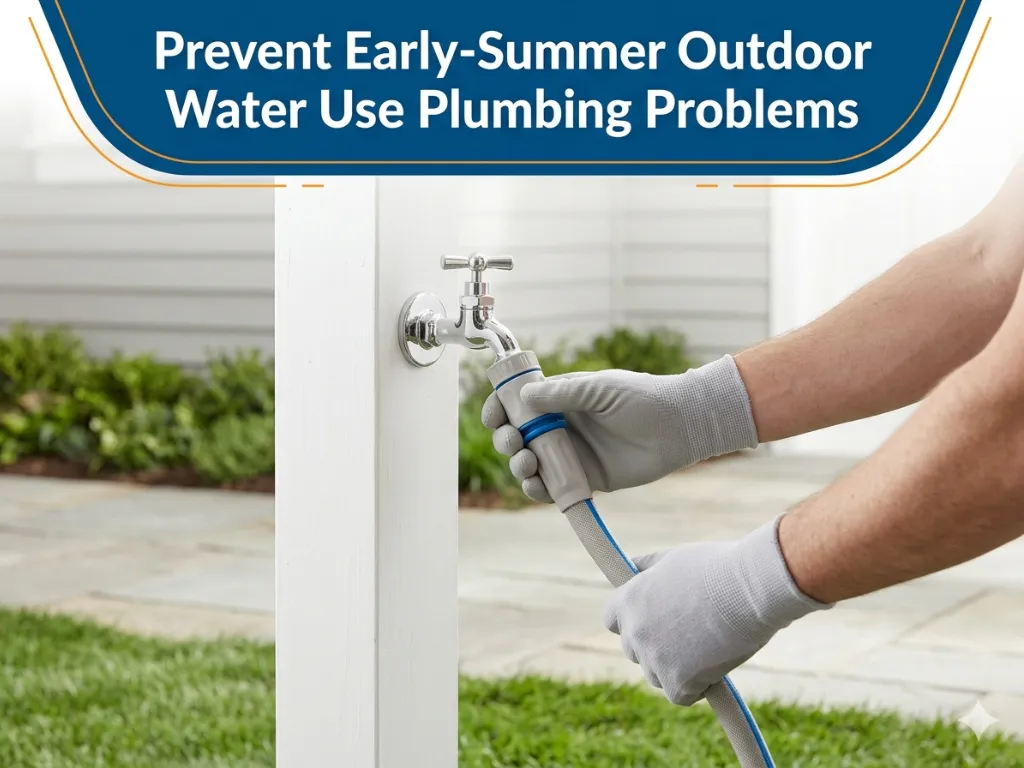
Protect Your Home Before Summer Water Use Surges
Early summer on the South Shore usually means hoses coming out of storage, sprinklers going back on, and kids playing in the yard with water toys. All that outdoor water use ramps up very quickly once the weather turns warm. Your plumbing system, especially the parts that run through exterior walls, feels that sudden change.
The trouble is that many early-summer plumbing problems actually started months earlier during cold winter weather. Frozen outdoor spigots, cracked pipes behind the wall, and worn hose connections often stay hidden until you turn the water back on. What looks like a harmless drip outside can turn into water inside your basement or behind finished walls.
Unexpected leaks bring stress, mess, and sometimes damage to flooring, framing, and landscaping. A little attention in early spring can help you avoid emergency plumbing services, insurance headaches, and torn-up yards in the middle of summer. As a licensed and insured residential plumbing and heating company based in Braintree, we work with South Shore homeowners to spot these issues early so outdoor water stays outside, where it belongs.
Hidden Winter Damage Behind Your Outdoor Spigots
Cold New England winters are tough on exterior plumbing. Each freeze and thaw puts pressure on the pipes that feed your outdoor spigots. Even if the spigot on the outside of the house looks fine in the spring, the pipe behind it may have small cracks or splits.
Common warning signs that winter was not kind to your spigots include:
- Water dripping or running inside the basement when the outdoor spigot is on
- A musty smell near foundation walls or finished basement areas
- Soft, swollen, or stained drywall near the path of the outdoor line
- A higher-than-normal water bill once outdoor watering starts
To check things this spring, go slowly. Turn on each outdoor spigot just a little, then:
- Walk the basement or crawl space while the water is running
- Look at ceilings and walls below or behind that spigot
- Listen for hissing or spraying sounds inside walls
- Watch for any dripping around the interior shutoff valve
Good habits in cold weather help too. Before next winter, it is smart to shut off and drain exterior lines, add insulated covers on outdoor spigots, or talk with a plumber about frost-free sillcocks. These steps reduce the chance of freezing in the first place.
It is important to know when to stop checking on your own. If you see active interior leaks, very low water pressure at an outdoor spigot, or water stains that spread quickly when the spigot is open, it is time for professional help. In those cases, quick service from a licensed plumber can prevent major structural damage and the need for emergency plumbing services later.
Hoses, Nozzles, and Sprinklers That Waste Water and Money
Once the spigots pass the first test, attention often shifts to hoses, nozzles, and sprinklers. These seem simple, but small problems here can waste a lot of water and put strain on your plumbing system and your well, if you have one. A worn hose washer or loose connection can leak constantly while you think you are watering the lawn.
A few common issues to watch for:
- Cracked hoses that spray out the side instead of at the nozzle
- Loose quick-connect fittings that drip whenever the water is on
- Old rubber washers in nozzles and sprinklers that no longer seal
- Y-connectors at the spigot that leak around the handles
Sprinkler systems bring their own challenges. Misaligned or broken heads can spray the siding, foundation, or windows instead of the grass. Oversaturated areas near the house can push water against the foundation and encourage basement seepage. Timers set too long during cool or rainy early summer weather can soak the yard when it does not need it.
Simple checks make a big difference. On a dry day:
- Inspect hoses in bright daylight for cracks and bulges
- Replace worn hose washers and tighten fittings
- Run sprinklers one zone at a time and walk the yard
- Adjust heads so they aim away from the house and windows
If you have a complex in-ground sprinkler system that ties directly into your main water supply, or you notice persistently soggy spots near the foundation, it is smart to involve a licensed plumber. Backflow preventers and buried supply lines are not simple lawn-care items. They should be inspected and repaired by someone trained to work on your home’s water system.
Preventing Basement Leaks From Exterior Water Use
Outdoor water habits and indoor water problems are often connected. A sprinkler head that hits the foundation every morning, a hose left dripping over a window well, or a slow leak at a spigot above a bulkhead can all send water straight down the outside of your house. From there, it can find tiny gaps and end up in your basement or crawl space.
Risky spots around a typical South Shore home include:
- Hose connections near finished basement walls
- Spigots mounted directly over bulkheads or window wells
- Areas where downspouts or irrigation lines cross near the foundation
- Masonry walls with cracks or crumbling mortar around hose bibs
A few habits help keep exterior water away from your house:
- Keep sprinklers a few feet back from the foundation
- Do not use foundation walls as hose hangers
- Add splash blocks or extensions to downspouts near spigots
- Make sure hose bibs are mounted firmly with no gaps or missing caulk
When you see water inside, it can be hard to know who to call first. As a general rule, if you see active dripping from interior plumbing lines or valves when outdoor water is on, or you hear hissing in walls, that points to a plumbing issue. Corroded or stuck shutoff valves feeding exterior lines are also plumbing concerns. Those are situations a residential plumbing team can diagnose and repair before you call anyone for larger waterproofing work.
When Outdoor Leaks Become Plumbing Emergencies
Sometimes a small issue outside suddenly turns into a real emergency. This can happen when a line that was weak from winter damage finally gives out, or when a slow drip is ignored until it becomes a steady stream.
Outdoor plumbing problems count as emergencies when:
- Water pours into the basement as soon as a spigot is opened
- The whole house loses pressure when the sprinklers run
- An outdoor line bursts and will not stop flowing
If that happens, quick action at home can limit damage:
- Shut off the outdoor spigot right away
- Find and close the interior shutoff valve that feeds that line
- If you cannot find it, or water will not stop, shut off the main water supply
- Move stored items away from wet areas so they can dry
Fast response from local emergency plumbing services can keep a bad situation from getting worse, especially when heavy rain is already pushing water against your foundation. A licensed and insured plumber can find the failure point, repair or replace damaged piping, and explain what went wrong so you can avoid the same problem during the rest of the summer.
Schedule a Spring Checkup Before Problems Start
For many South Shore homes, late March through May works well as a “plumbing preseason.” Temperatures start to warm up, but peak outdoor water use has not hit yet. This is the best time to test outdoor fixtures, address small issues, and get professional eyes on older plumbing before long watering sessions and backyard fun become part of your daily routine.
A simple spring checklist might include:
- Test every exterior spigot, one at a time, while someone walks the basement
- Inspect hoses, nozzles, and sprinklers for cracks, leaks, and misaligned heads
- Watch the water meter for movement when everything is off
- Listen for odd sounds like hissing or dripping when outdoor water is running
- Note any musty smells, damp spots, or fresh stains on walls or ceilings
A focused plumbing and heating checkup in spring can include outdoor fixtures, interior shutoff valves, and any visible piping that feeds your exterior lines. By catching worn parts and early leaks now, you reduce the chance of needing emergency plumbing services in the middle of summer when you rely on your system the most. As a Braintree-based residential company serving the South Shore, we know how local weather affects homes here, and we take early-summer plumbing problems seriously so you can enjoy your yard with less worry.
Get Fast, Reliable Help Before Plumbing Problems Get Worse
When a pipe bursts or a drain backs up, every minute counts, and our team at Route 3 Plumbing and Heating is ready to respond quickly. Whether you need immediate emergency plumbing services or urgent help diagnosing a sudden issue, we bring the tools and experience to restore your home’s safety and comfort. Reach out and let us know what is happening so we can guide you on the next steps and schedule prompt service. If you are facing a plumbing emergency right now, contact us for priority support.